Mindfulness for Students: Techniques to Reduce Stress and Improve Focus
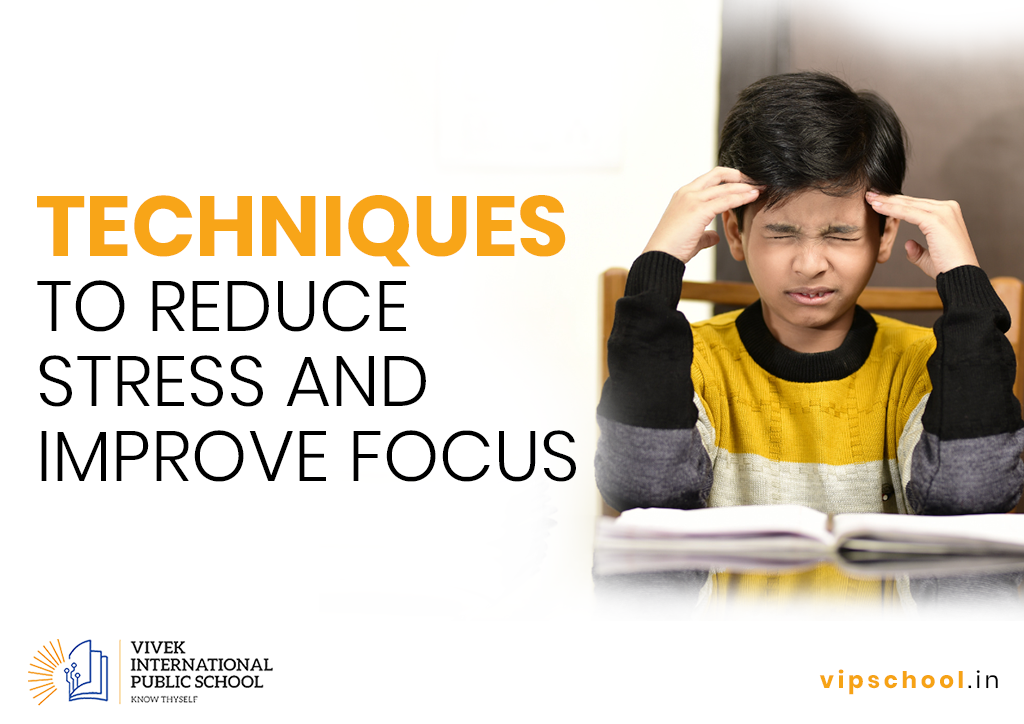 Students’ lives may feel easy and relaxing, but in actuality, they feel more stressed than adults, because of school, exams and homework. This stress can make it hard for them to focus on their studies or learn what’s being taught well. Some students may also experience difficulty relaxing and sleeping, which could further worsen the symptoms of stress.
One of the best ways to calm your mind and body as a student is by practicing mindfulness. While practicing it, all you have to do is pay attention to the present moment without judging yourself a bit. It can make you feel peaceful and less worried in general. If you need more information on mindfulness for students, read this blog until the end.
Students’ lives may feel easy and relaxing, but in actuality, they feel more stressed than adults, because of school, exams and homework. This stress can make it hard for them to focus on their studies or learn what’s being taught well. Some students may also experience difficulty relaxing and sleeping, which could further worsen the symptoms of stress.
One of the best ways to calm your mind and body as a student is by practicing mindfulness. While practicing it, all you have to do is pay attention to the present moment without judging yourself a bit. It can make you feel peaceful and less worried in general. If you need more information on mindfulness for students, read this blog until the end.
Why Mindfulness Helps Students
Mindfulness means paying attention to the present moment. It helps you notice your thoughts, feelings, and body without judging them. For students, mindfulness can be very useful in many ways, including:
Less Stress
School life can be stressful for some students because of exams , homework, and deadlines. When you practice mindfulness, you learn to calm your mind and body. You focus on your breathing and relax your muscles. This helps reduce anxiety and makes it easier to deal with pressure.
Better Focus
It is easy to get distracted while studying or listening in class. With mindfulness, you learn how to bring your attention back when your mind starts to wander. This helps you concentrate better and remember more of what you learn.
More Emotional Control
Sometimes students feel angry, sad, or worried. Mindfulness helps them understand emotions instead of reacting quickly. When you notice how you feel, you can make better choices and respond more calmly.
Improved Well-Being
Practicing mindfulness regularly can make you feel happier and more positive. You become more aware of small good things around you, like a kind word from a friend or a sunny day. It helps you enjoy life more, even when you are busy with schoolwork.
Simple Mindfulness Techniques
After learning how mindfulness helps students, you must be excited to learn some simple mindfulness techniques. So, here are some simple mindfulness techniques you can try:
To practice this mindfulness technique, you have to find a quiet place to sit or stand. Then, take a slow and deep breath in through your nose. Feel your chest and belly rise. Then breathe out slowly through your mouth. You have to focus only on breathing. If your mind starts to think about something else, gently bring it back to your breath. You should do this for a few minutes to feel calm and relaxed.
Another technique you can consider trying is mindful walking. You have to pay attention to each step when you walk. Notice how your feet touch the ground and how your legs move. Just listen to the sounds around you and feel the air on your skin. While practicing this technique, try to walk slowly and enjoy the moment instead of rushing or thinking about other things.
To perform this mindfulness technique, sit or lie down comfortably. Close your eyes if you want and move your attention slowly from your head to your toes. Notice how each part of your body feels, whether it is relaxed, warm, tight, or tired. You don’t need to change anything, but just notice and relax.
Take a few deep breaths before you start studying. Then, focus on only one task at a time, for example, reading one page or solving one problem. If you get distracted, stop for a moment, breathe, and start again. This helps you learn better and remember more!
One of the easiest and simplest mindfulness techniques to do is gratitude practice. Just think of three things you are grateful for today. They can be small, like a good meal or a kind friend. Write them down or say them in your mind. By focusing on gratitude, you can make yourself feel happier and more positive.
How to Add Mindfulness to Daily Life
To practice mindfulness, you don’t need a lot of time or special tools. You can add it to your normal day in simple ways. Here are some ideas to add mindfulness to daily life:
Start Your Day Calmly
When you wake up, take a few deep breaths before getting out of bed. Then, notice how your body feels and what sounds you hear. By starting your morning calmly, you can help yourself feel more positive and ready for the day.
Eat Mindfully
During meals, try to eat slowly while noticing the colour, smell, and taste of your food. Put away your phone or computer while eating. You must enjoy each bite as it helps you feel more satisfied and relaxed.
Take Short Breaks
Between classes or work, stop for one or two minutes. Breathe deeply, stretch, or notice what is around you. These small breaks can reduce stress and help you focus better when you return to studying.
Reflect Before Sleeping
Before going to bed, think about your day. What went well? What are you thankful for? By taking a few minutes to relax and reflect, you can help your mind rest and prepare you for a good night’s sleep.
Conclusion
Mindfulness is a simple but powerful way to reduce stress and improve focus for students. By paying attention to the present moment, students can feel calmer, happier, and more in control. To practice mindfulness, you don’t need special tools or a lot of time. All you have to do is spare a few minutes each day, and it can make a real difference.
You can also try using mindfulness in your studies, your walks, or even while eating to get its benefits. If you need more information on improving your life as a student, stay tuned to CBSE School in baddi , Vivek International Public School, Baddi, Himachal Pradesh.