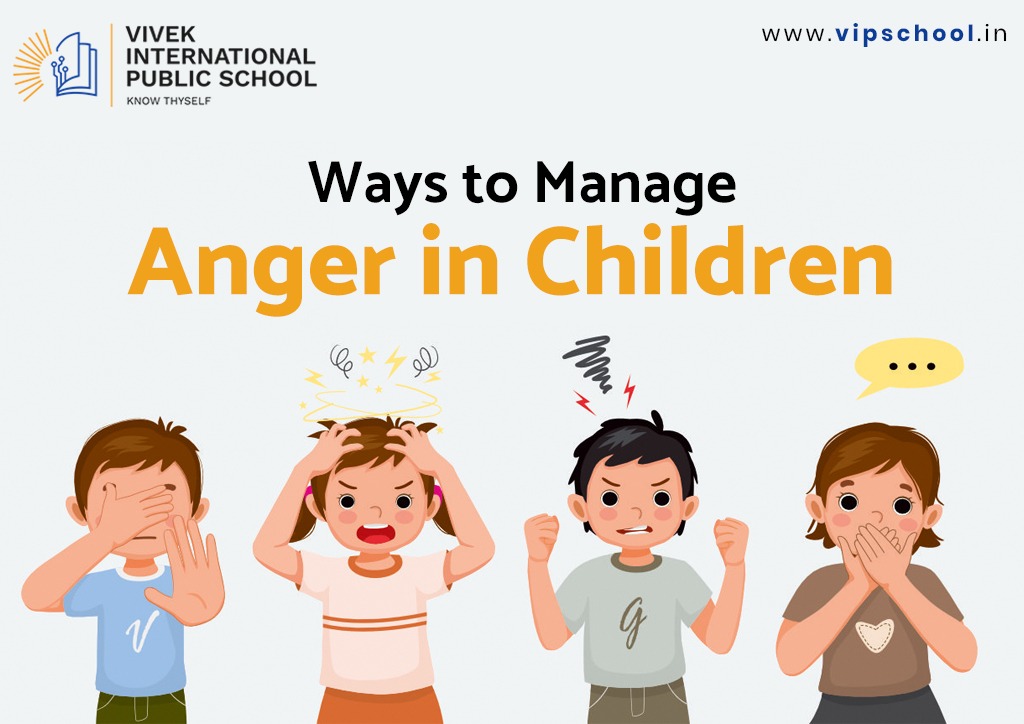
Every child feels angry when their demands are not heard, they don’t get what they want, or if something doesn’t go the way they want. Anger is a normal feeling, but it is important for children to understand how to handle anger in the right manner.
Sometimes, children struggle to express their feelings in words, and they express them by yelling, crying, or becoming stubborn. At such times, the role of parents is very important. If parents react calmly, the child may learn to control their emotions gradually
The good news is that simple habits and daily practice can help children manage their anger effectively. In this blog, we will talk more about the effective ways to manage anger in children, so read on!
Stay Calm and Listen
When your child is angry, the first thing you have to do is stay calm. If you get angry too, the child may never learn to control their anger. Instead, let the child speak. Then, listen to what they have to say, without interrupting or scolding. Sometimes a child just wants someone to understand them. And when you listen patiently, the child gradually calms down, and you feel better.
Teach Children to Talk About Their Feelings
It is crucial to teach children to express their feelings. When they feel angry, sad, or frustrated, they should express it verbally, rather than yelling or insisting. You can try asking your child simple questions, such as “What happened to you?” or “Why are you angry?” This helps the child understand why they’re angry and express themselves better. And when a child begins to express their feelings clearly, anger lessens, and solving problems becomes easier.
Use Simple Calming Techniques
When a child is very angry, it’s important to calm them down. You can use some simple techniques to calm your child down. Tell them to take deep breaths by slowly inhaling and exhaling. You can also ask them to count slowly from 1 to 10. This calms their mind. If the child is very upset, give them a break. Just sitting quietly for a while or going to a different place can help reduce anger.
Set Clear Rules and Limits
Setting simple and clear rules for children is very important. They should know upfront what’s right and what’s wrong. And when you set clear rules, children understand how they are supposed to behave. This reduces anger or confusion. You also have to follow your rules the same way because changing rules repeatedly can confuse children. Keep in mind that positive explanations and loving discipline are most effective.
Be a Good Role Model
Children imitate what they see people around doing. So, if you yourself lash out in anger, your child can learn the same. You should handle your anger calmly, such as by taking deep breaths, remaining silent, or taking a short break. This will show your child that it is possible to control anger. Also, when parents remain calm, their child will gradually learn the same and be able to manage their emotions better.
Conclusion
Anger is a normal feeling that every child experiences. But handling it properly is important. It is possible for children to learn to control their anger if parents provide patience, love, and proper guidance. Just simple habits can improve both their behavior and feelings.
With a little understanding and practice, children can understand and manage their emotions well. If you want your child to have better control over their emotions, enrol them in Vivek International Public School, the
best CBSE school in Baddi, where we focus on practical learning rather than rote memorization.
FAQs
Q1). Why do children get angry so easily?
It is because they cannot express their feelings properly. Things like not getting what they want or being misunderstood can also make them angry.
Q2). How can I calm my child when they are angry?
You can stay calm, listen to them, and give them space. Also, encourage them to try simple techniques like deep breathing, or counting numbers.
Q3). Should I punish my child for getting angry?
No, punishment is not the best way. It is better to teach them how to manage anger and explain what behavior is right in a calm way.
Q4). When do children begin to gain control over their anger?
Children slowly learn to control anger as they grow. With regular guidance from parents, they start improving from early childhood, but full control develops over time.