Importance of Physical Education in a Child’s Overall Development
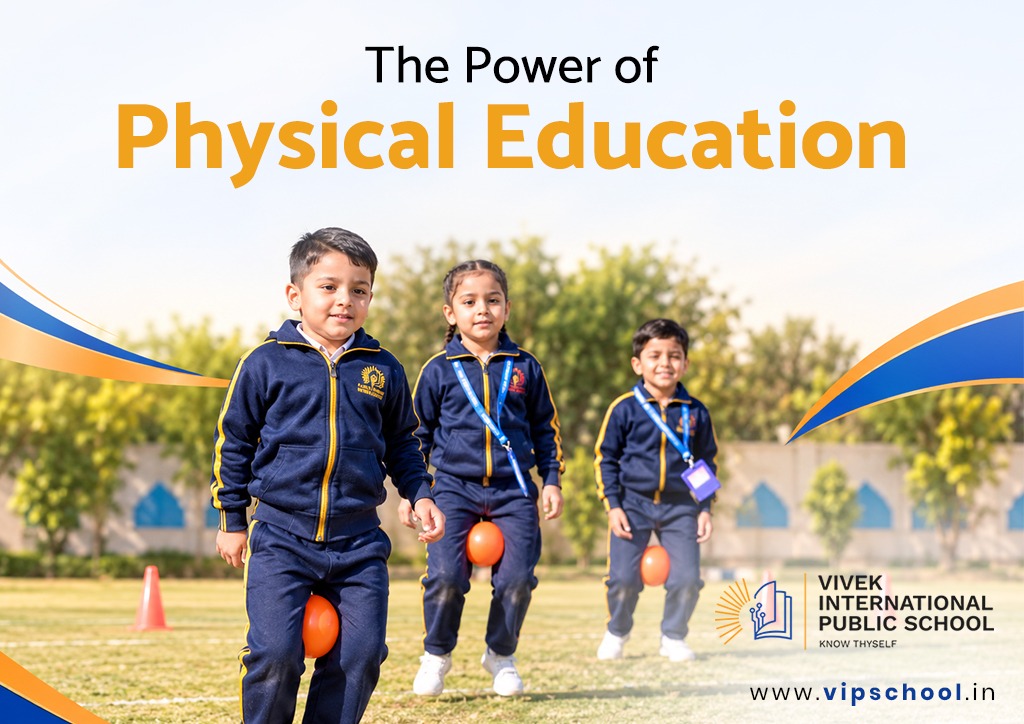 Children love to run, jump, and play with others their age. But today, children sit a lot, watching TV or playing games on phones. They spend a lot of time staying indoors. This is why physical education, or PE, is so important.
“The world is the great gymnasium where we come to make ourselves strong.” – Swami Vivekananda
PE is a class where children play sports, do exercises, and learn to move their bodies. It is not just fun, but also a way to help children grow in many ways. This makes the body strong, helps the mind think better, and teaches children to make friends and be kind. It also helps them feel happy and proud of themselves.
If you want to learn more about the importance of physical education in a child’s overall development, read this blog by Vivek International Public School, Baddi, Himachal Pradesh, till the end.
Physical Benefits
Physical education is great for the bodies of children. When they move and play, their bodies get stronger and healthier. Here is how:
1. Strong Bones and Muscles
When children run, jump, and climb, their bones and muscles get strong. And strong bones help children stand tall and stay safe from injuries.
2. A Healthy Heart
Running and playing forces the heart to work hard. A strong heart pumps blood well and keeps the body healthy.
3. Healthy Weight
Children who move every day burn energy, which helps them stay at a healthy weight and feel light and active.
4. Better Balance and Body Control
Games like hopping, skipping, and catching a ball teach children to balance. They learn to move their bodies with care and control.
Mental Benefits
Physical education benefits not only the body. It's also good for the mind. When children move, their brains work better. Here’s how:
1. Better Focus
After playing or exercising, children can pay attention more easily. They sit and listen better in class.
2. Less Stress and Worry
Sometimes children feel upset or worried. Running and playing help them let go of these feelings and feel calm.
3. Happy Mood
Moving, playing, and exercising make the body feel good. Also, children who are active smile more and feel happier.
4. Better Memory and Learning
Moving helps the brain stay sharp. Children who play and exercise often remember things better and learn faster.
Social Benefits
Apart from mental and physical health benefits, physical education benefits children socially, too. It helps children learn how to be with other people. Here’s how:
1. Making New Friends
In physical education, children play together in games and sports. They talk to each other, laugh together, and share fun moments. This helps them make new friends.
2. Teamwork
In team games, everyone works together to win. When playing team games, children learn that helping each other is important.
3. Sharing and Taking Turns
Children share balls, cones, and other things while playing with each other. They wait for their turn and play fairly. This helps them learn good habits.
4. Following Rules
Every game has rules that everyone has to follow. And when children play games, they learn to listen to the instructions and follow them. This helps them behave well at school and at home.
Read More: Importance of Games and Sports In Students’ Life
Emotional Benefits
Physical education helps children feel good inside. It teaches them how to handle their feelings. Here’s how:
1. More Confidence
When children learn a new skill, like kicking a ball or jumping rope, they feel proud. This makes them believe in themselves.
2. Feeling Proud and Happy
Every small win in physical education feels great. Just running faster than or scoring a goal can make a child smile the whole day.
3. Not Giving Up
Some games are hard to learn and understand at first. To learn the game, children have to keep trying. This helps them understand that practice makes them better.
4. Handling Big Feelings
Sometimes children feel angry, sad, or upset. Physical education gives them a safe way to let out these feelings. They learn to calm down and feel better.
Life Skills Learned Through PE
Physical education teaches children more than just sports. It teaches skills that children use every day. Here are the skills that physical education can teach children:
1. Discipline
In physical education, children come on time, follow the teacher, and practice again and again. This teaches them to stay focused and do what is right.
2. Hard Work
Getting better at a game takes practice and hard work. And when children do it for a game, they learn that hard work brings good results.
3. Leadership
Sometimes a child is the team captain or leads a warm-up. They learn to guide others, be fair, and be a good example.
4. Time Management
Games and races that children often participate in have time limits. While playing these games, children learn to use their time well and finish tasks on time.
5. Problem Solving
During a game, children must think fast. “Where should I pass the ball?” “How can we win?” They learn to find answers to these questions quickly.
6. Staying Safe
While playing games, children learn to warm up, play carefully, and watch out for others. In short, they learn how to stay safe while having fun.
7. Making Good Choices
Physical education teaches children to choose healthy habits, like drinking water, resting, and staying active, which helps them throughout their lives.
Conclusion
Physical education is much more than a game or a fun break from class. It helps children in every part of their lives. From making their bones, muscles, and the heart strong to making them brave, proud, and happy inside, physical education can do it all.
However, many children today are spending more time indoors, watching reels, videos, and other material, which neither helps develop their body nor their mind. If you want your child to achieve optimum health, encourage them to participate in physical activities, or look for the best CBSE school in Baddi that gives importance to studies as well as physical education.
FAQs
Q1. How much exercise does a child need every day?
Children should move for at least 60 minutes every day. From playing to running, biking, or doing sports, they can do anything.
Q2. Why is PE important in school?
Physical education helps children grow strong, think better, make friends, and feel happy. It also gives their brain a fun break from studying, so they learn better in class.
Q3. Does PE help children do better in studies?
Yes, Active children can focus more, remember more, and feel less stressed. All of this helps them do well in class.
Q4. What can parents do to help their child stay active?
Parents can take their children to the park, play games with them, and limit screen time. Let children pick sports they enjoy.