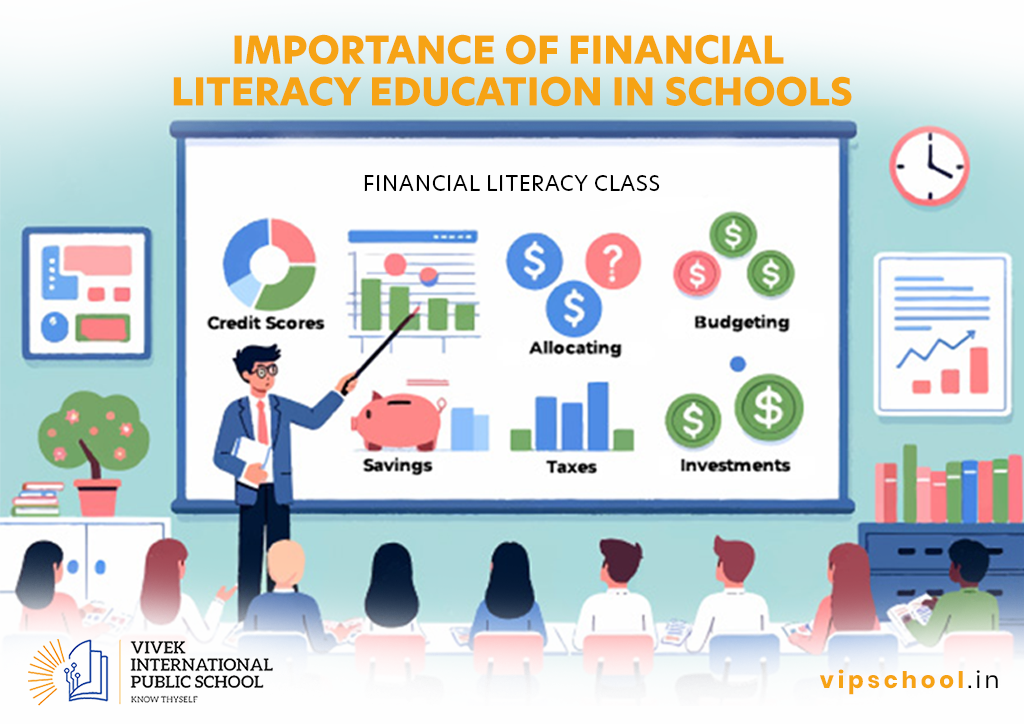
Today, many young adults are deep in debt, and it is not because their salary is less but because of bad financial decisions. During the start of their career, they were earning a handsome salary, got promotions, salary hikes, and everything. But they didn't save and chose to splurge instead, that too with debt money.
At first, these things don't seem to have a negative impact on their life, but it starts bothering them when they use up all their money even before the month ends. If they had learned the basics of saving, budgeting, and planning in school, they would have never borrowed more money than they could pay off.
If you want your children to never make such mistakes, then teach them financial literacy early. You should only choose the
best school in Baddi for them that teaches them the basics of saving, budgeting and planning. This will help them lead a stress-free and secure life when they start earning.
Why Schools Should Teach It
Money is something that every person will handle in life, no matter what job they do. Students learn math, science,
value-based learning, and languages in school, but most of them never learn how to manage money. And when it comes to making financial decisions, they often make wrong choices that can trap them in debt.
Preparing students for exams, jobs, and careers makes no sense when they don't even know how to manage their money. But if schools also teach financial literacy, students will leave school with skills they can use every single day and start their adult life with confidence and good habits.
Benefits of Financial Literacy for Students
Financial literacy helps students make smart choices, avoid common mistakes, and build a safe future. Here are some of the key benefits of financial literacy for students:
Builds Saving Habits
When students know the value of saving early, they start to keep a part of their money aside instead of spending it all. They learn discipline even with small savings like putting away pocket money. Also, students who save early are less likely to struggle during emergencies.
Encourages Smart Spending
Financial literacy teaches students the difference between needs and wants. And when they know the difference, they think twice before buying something they don't really need. For example, instead of spending their allowance on gadgets or snacks, they may choose to save some of it or spend it on something useful.
Reduces Chances of Debt
Debt often becomes a trap for young adults because they do not understand interest rates, loans, or credit card charges. And when these concepts are taught in school, students know the risks before taking a loan and swiping credit cards. Also, they learn not to borrow money just to maintain a lifestyle or impress others.
Boosts Confidence
Money problems can make people feel worried or powerless. But when students know how to handle money, they feel more confident about the future. They can make decisions like saving for college, buying something important, or even starting a small business idea. This confidence helps them face challenges without fear, because they know how to manage their resources.
Long-Term Benefits for Society
Financial literacy not only benefits individuals but society as well. It helps create communities where people are more secure, responsible, and independent. Here are some long-term benefits of financial literacy for society:
Fewer People in Debt
If people understand how money, loans, and credit work, they are less likely to fall into debt traps. A society where fewer people struggle with debt means less financial stress, fewer bankruptcies, and healthier families.
Stronger Economy
The money habits of individuals directly affect the economy of the country. If citizens spend their money carefully, avoid debt, and invest in the right places, the economy becomes more stable. On the other hand, if people waste money or borrow beyond their means, the economy suffers.
More People Saving and Investing
Financially literate citizens know the importance of saving for the future and investing wisely. This does not just help them personally, but also grows the economy. When people save, banks and businesses have more funds to use for development. When they invest, companies grow, jobs are created, and the entire nation benefits.
More Responsible Citizens
Financial literacy also creates responsible and disciplined citizens. People who understand money are less likely to depend fully on government aid or others for support. Instead, they take charge of their own financial future. This reduces pressure on public systems and creates a society where people are independent and self-reliant.
Conclusion
Due to a lack of financial literacy, many working professionals today are deep in debt. They couldn't live their life to the fullest just because of the bad decisions made earlier in their life. All the money they earn is going straight to the lender's account, and they end up with nothing even before the month ends. This wouldn't have happened if they had financial literacy.
Though nothing can be done until they pay off all their loans, we can help the future generation feel more secure and avoid debt traps by teaching financial literacy early. Schools are the best places where everyone can learn the basics of savings, budgeting, planning, and much more. If you want your children to become self-reliant and never struggle during emergencies, enrol them in
Vivek International Public School, Baddi, where teachers are serious about financial literacy.
Explore our other insightful blogs that provide expert guidance on nurturing your child's education, managing
extracurricular activities, promoting value-based learning, and much more! Don't forget to visit our
blog page to discover even more helpful resources.