
News & Events
Role of Computers in Education
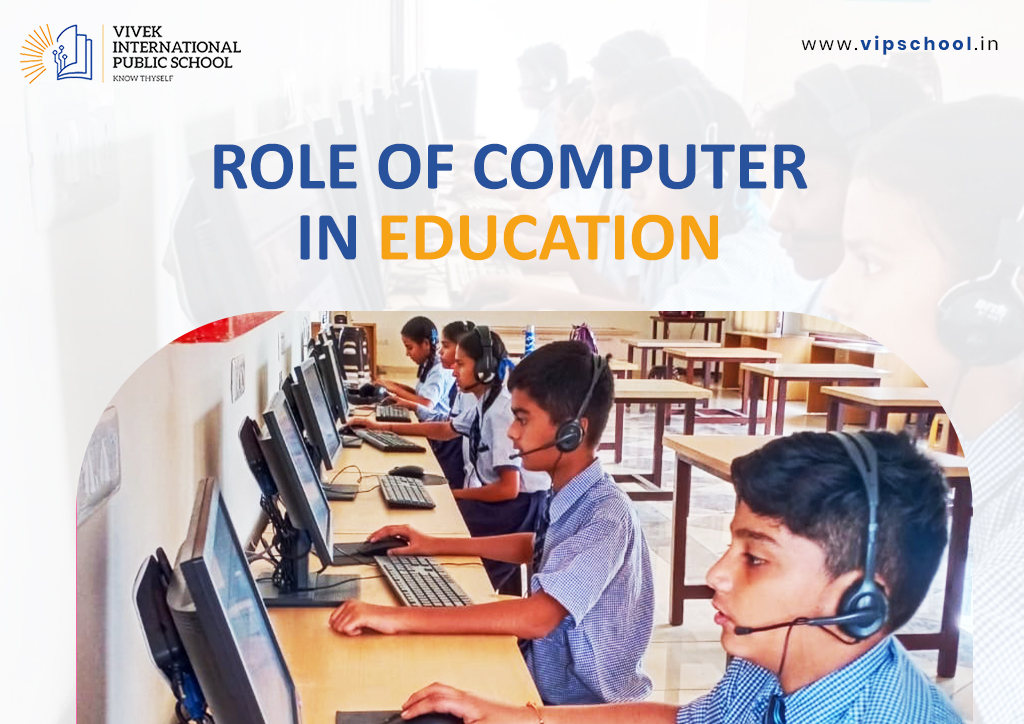
Computers are used in every field of work, and education is no exception. From creating a simple Word document to advanced codes, computers perform many major and minor operations in the education system. It helps students understand various complex things simply and straightforwardly.
Students now don’t have to be physically present in class; they can learn from the comfort of their homes. However, there are still many people who are unaware of the contribution of this technology to the education sector. If you are one among them, read this blog to learn more about the role of computers in the education sector.
7 Uses of Computers in Education
Go through the below points to understand the role of computers in education:
Personalized Learning
Students can now learn at their own pace. They don’t have to worry about being left behind by missing a single class. Do you know what made this possible? It is the computers. Students can now find educational software designed to adapt to their individual needs. This way of learning ensures no student is left behind or bored during their studies.
Interactive Learning
Kids love playing games, no matter their age. Why not let them learn the easy way? That’s what computers do. They can make the most boring subjects like math and science interesting with games and simulations. Students actively participate in these activities, helping them understand complex concepts quickly.
Online Resources
With a computer, students can access research papers, e-books, and educational websites that contain loads of information. By providing them access to a computer with stable internet, you can open a door for them to a world of knowledge and help them become independent learners.
Remote Learning
Ever wanted to learn from the experts but didn’t because they didn’t serve in your area? Students don’t face such issues now as they can learn from the top teachers from the comfort of their homes. All this is possible due to computers. Teachers can teach online, and students can take online classes to learn from the teachers they want to. It is very beneficial for students who live in remote areas or can’t travel to a different city daily for education.
Curious about How today’s Internet Works? Read a blog about The Man Who Bent Light
Digital Literacy
In 2025, it’s essential to be digitally literate. Otherwise, you may struggle to survive in this cut-throat competition. Computers help students develop the skills required to use technology effectively and responsibly. It includes understanding how to search for information, communicate online, and protect their privacy.
Collaborative Learning
Teaching teamwork to students from a young age is essential. With computers, students can collaborate on projects, share ideas, and learn from one another, even when they aren’t in the same location. This approach fosters teamwork and communication skills, which are invaluable in their future careers.
Skill Development
Not only digital literacy, but while using computers for education, students develop other skills, including problem-solving, critical thinking, creativity, and digital literacy. In addition, they can improve their cognitive abilities and prepare for the future workforce.
Advantages and Disadvantages of Computers in Education
Computers bring many good things to learning, but they also have some problems. Let’s look at both sides.
Advantages
- Learning at your own pace: Every student can learn slowly or quickly, as they need.
- Fun learning: Games, videos, and pictures make boring topics interesting.
- Lots of information: Students can find books, articles, and answers in seconds.
- Better skills: Students learn typing, searching, teamwork, and problem-solving.
- Saves time: Writing, checking, and sharing work becomes quick and easy.
Disadvantages
Too much screen time: Looking at a screen for too long can hurt the eyes and cause headaches.
- Distraction: Students may play games or watch videos instead of studying.
- Costs money: Computers and internet connections can be unaffordable for some.
- Internet problems: If the internet is slow or not working, learning stops.
- Less talking with others: Students may spend less time playing and speaking with friends.
- Unsafe websites: Some websites are not good for children, so they need an adult’s guidance.
How Computers Help Teachers in the Classroom
Computers not only help students, but teachers, too. Here is how:
- Making lessons fun: Teachers can show pictures, videos, and slides on a screen. This helps students understand a topic faster than just listening.
- Saving time: Teachers can use computers to take attendance, check test papers, and keep student marks in one place. This gives them more time to teach.
- Finding new ideas: Teachers can search the internet for new ways to explain a lesson. They can also find worksheets, games, and activities for their class.
- Tracking progress: With a computer, a teacher can see which student is doing well and which student needs help. Then the teacher can give extra support to the right child.
- Staying in touch: Teachers can send homework, notes, and messages to students and parents quickly. They can also teach online when students cannot come to school.
Also Read: Role of Internet in Education
On the Final Note
Computers have brought many changes in the education sector, benefiting students and teachers. Students no longer need to struggle to keep up with others; they can learn at their own pace without being physically present in the class. They can also choose the teacher they want to learn from and access research papers and other required study material. Additionally, computers help students develop essential skills vital in today’s digital and fast-paced world. If you want to learn the modern way, join us at Vivek International Public School, one of the best CBSE international schools in Baddi. Stay tuned for more fantastic reads!
Frequently Asked Questions
1. Why are computers important in education?
Computers help students learn faster and in a fun way. They give students access to books, videos, and lessons from all over the world.
2. How do computers help students learn?
Students can watch videos, play learning games, search for answers, and finish homework easily using computers.
3. Can students learn without going to school?
Yes. With a computer and internet, students can join online classes and learn from home.
4. Do computers replace teachers?
No. Computers cannot take the place of teachers. Teachers guide, care for, and help students in ways a computer cannot. Computers only help teachers teach better.
